
A 25-year lesson from ceramic hip bearings
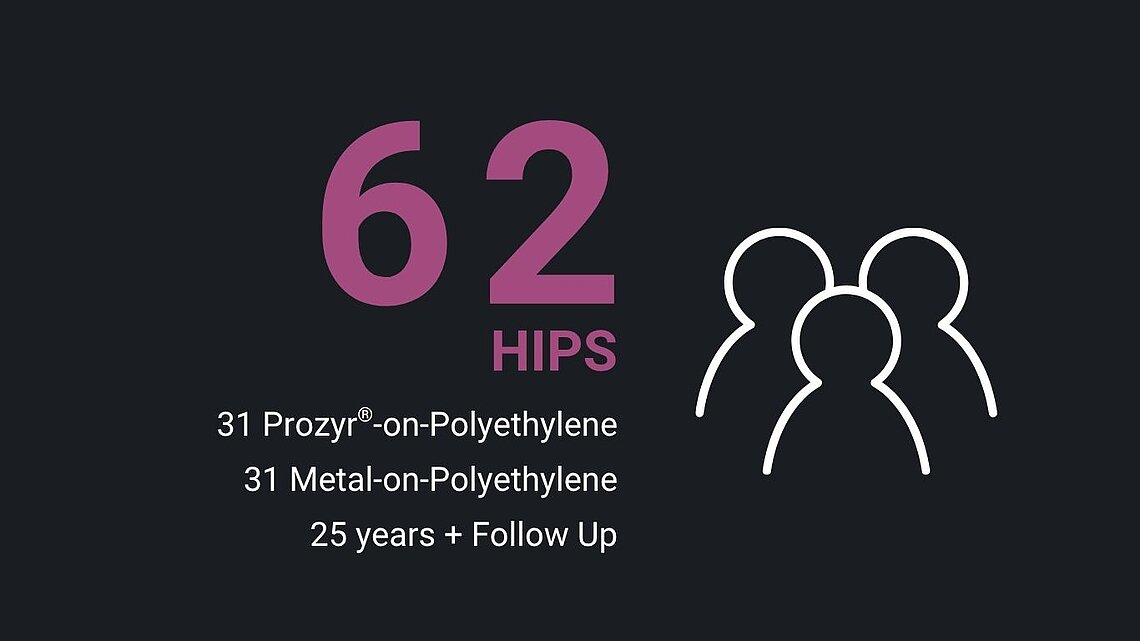
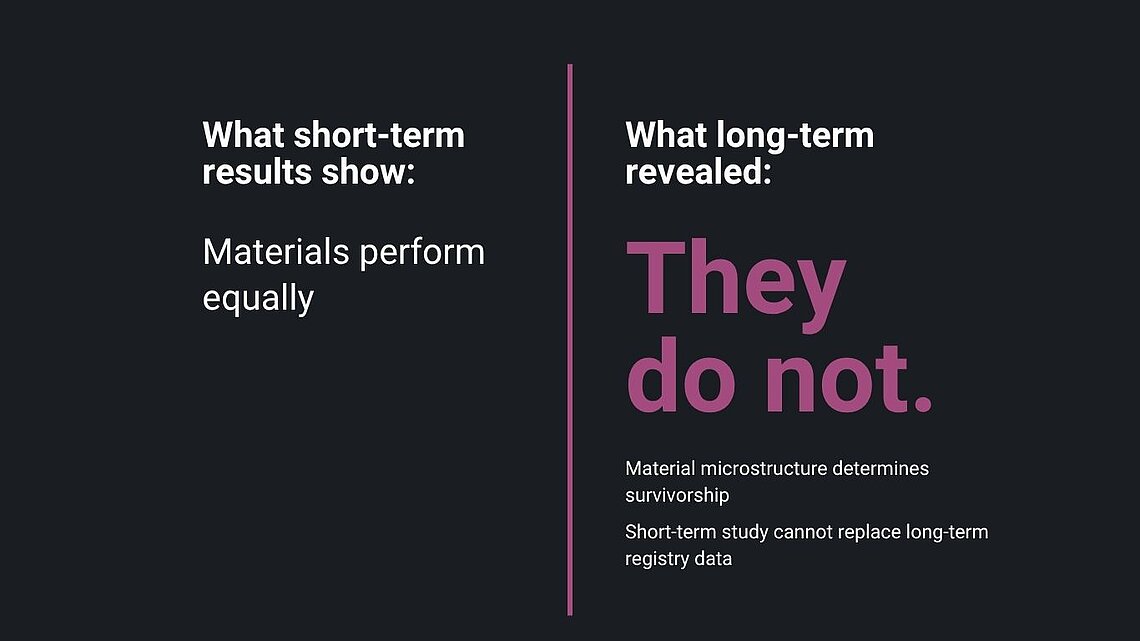
The finding is striking and carries an important message for our field.
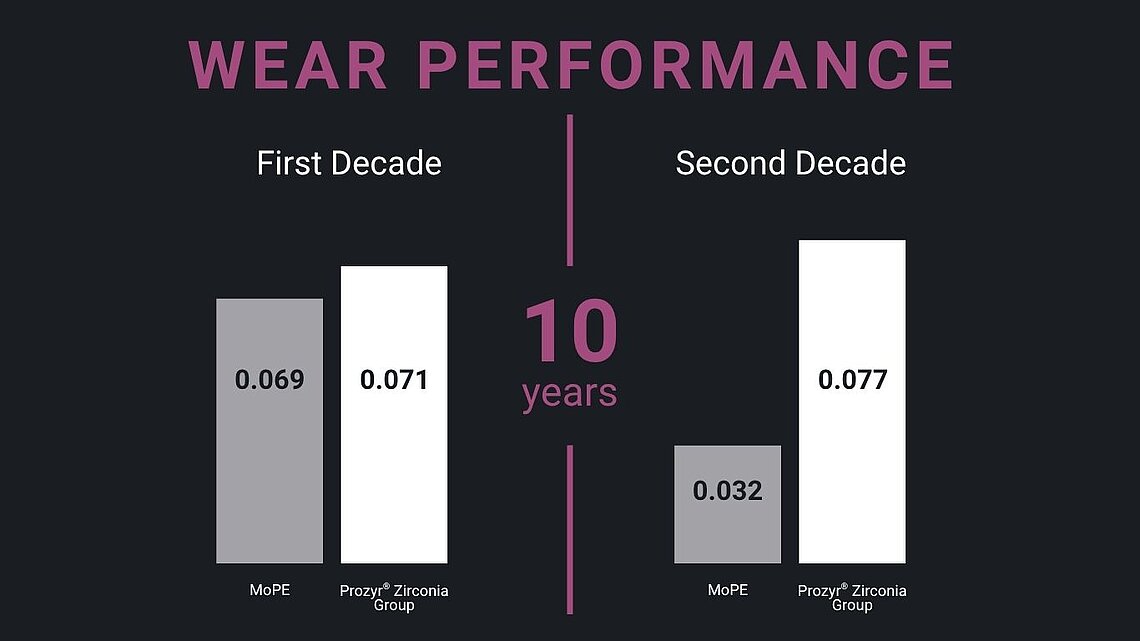
During the first decade, both bearing couples performed virtually identically. Wear rates were 0.069 mm/year (metal) vs. 0.071 mm/year (zirconia ceramic) – no significant difference.
Then, beyond 10 years, the trajectories diverged.
The Prozyr® zirconia group’s wear rate climbed to 0.077 mm/year while the metal group’s rate dropped to 0.032 mm/year. By 15 years, cumulative polyethylene wear was significantly higher in the zirconia group (1.00 mm vs. 0.74 mm, p = 0.046). By 20 years, the gap had widened further (1.50 mm vs. 1.02 mm, p = 0.006).
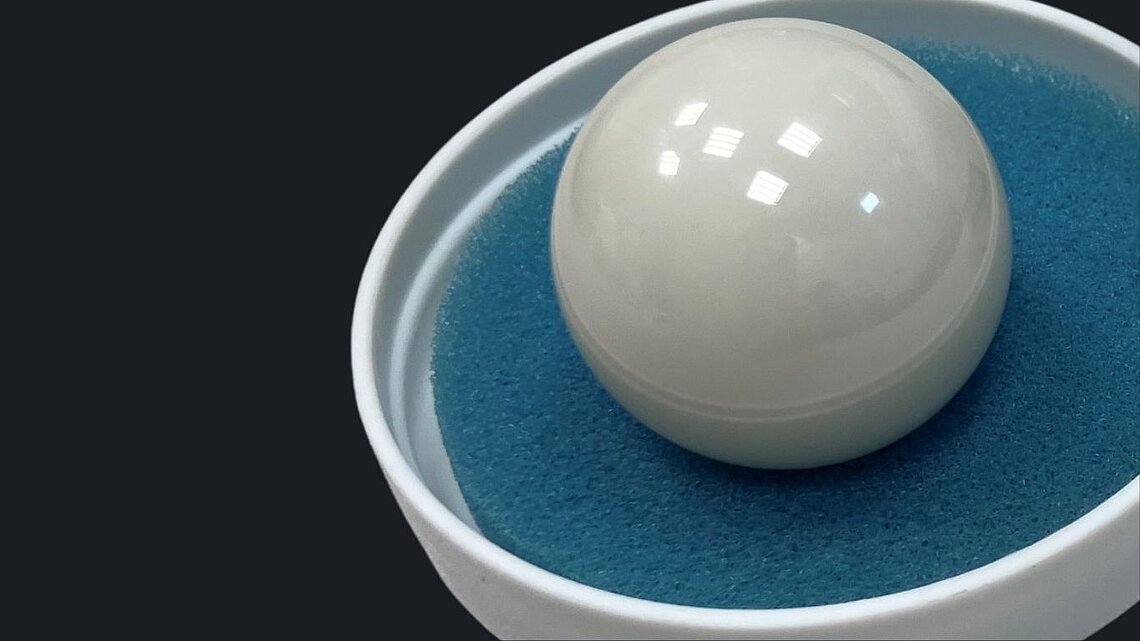
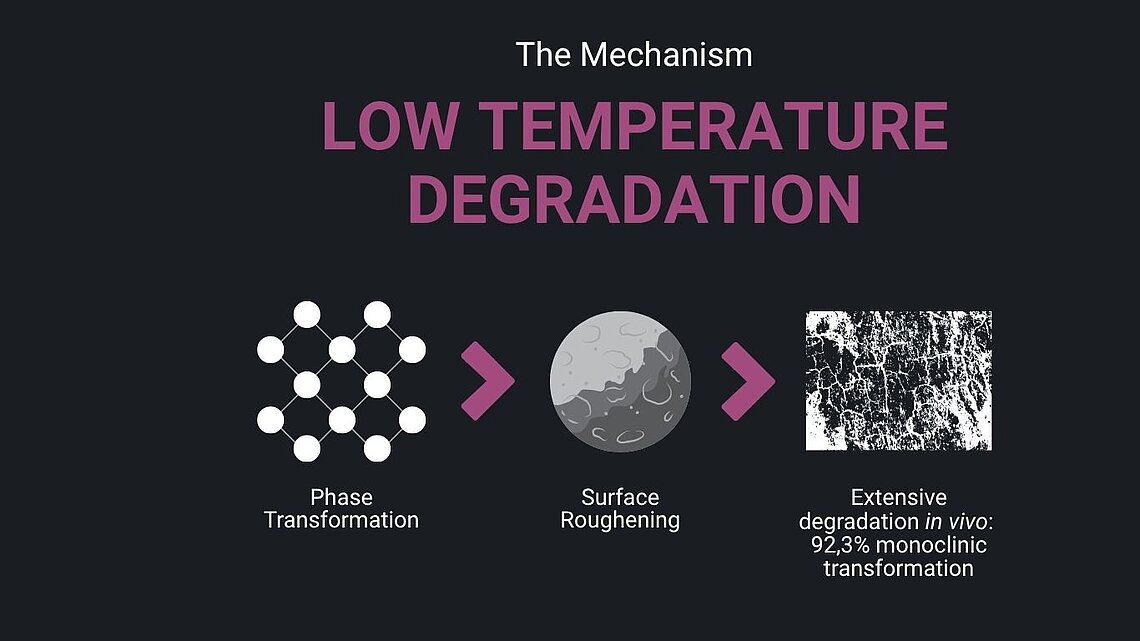
The mechanism? Low-temperature degradation (LTD), a phase transformation from tetragonal to monoclinic crystal structure that roughens the zirconia surface over time. A retrieved head at 25 years showed 92.3% monoclinic transformation, confirming extensive material degradation in vivo.
This study is a powerful reminder that short- and mid-term follow-up can be misleading when evaluating bearing materials. Long-term data eventually revealed what 10-year data could not. The monolithic zirconia heads used here are no longer on the market.
The lesson for material selection in joint replacement: long-term clinical evidence is irreplaceable. Not all ceramics are created equal or (obviously) behave the same way over decades in the human body. Material composition, microstructure, and resistance to degradation determine whether early promise translates into lasting performance.
This is exactly why long-term registry data and extended follow-up studies remain essential. They reveal what shorter observation periods simply cannot.
📖 Ishida T, Takahashi Y, Tateiwa T, et al. Progressive wear divergence beyond 10 years in ceramic- vs. metal-on-polyethylene bearings: the 25-year impact of zirconia degradation in total hip arthroplasty. J Orthop Surg Res. 2026;21:151. DOI: 10.1186/s13018-026-06681-y
Please check for regulatory approval in your country.
Prozyr® zirconia ceramic femoral heads were withdrawn from the market in the early 2000s following identified issues with in vivo hydrothermal aging. Prozyr® is no longer available.
This post reflects CeramTec’s summary of a peer-reviewed scientific publication and does not constitute clinical guidance, risk prediction for individual patients, or product-related recommendations. For product, safety, and risk information, always refer to the labeling of the legal manufacturer. This post was drafted with AI assistance and approved by CeramTec.